
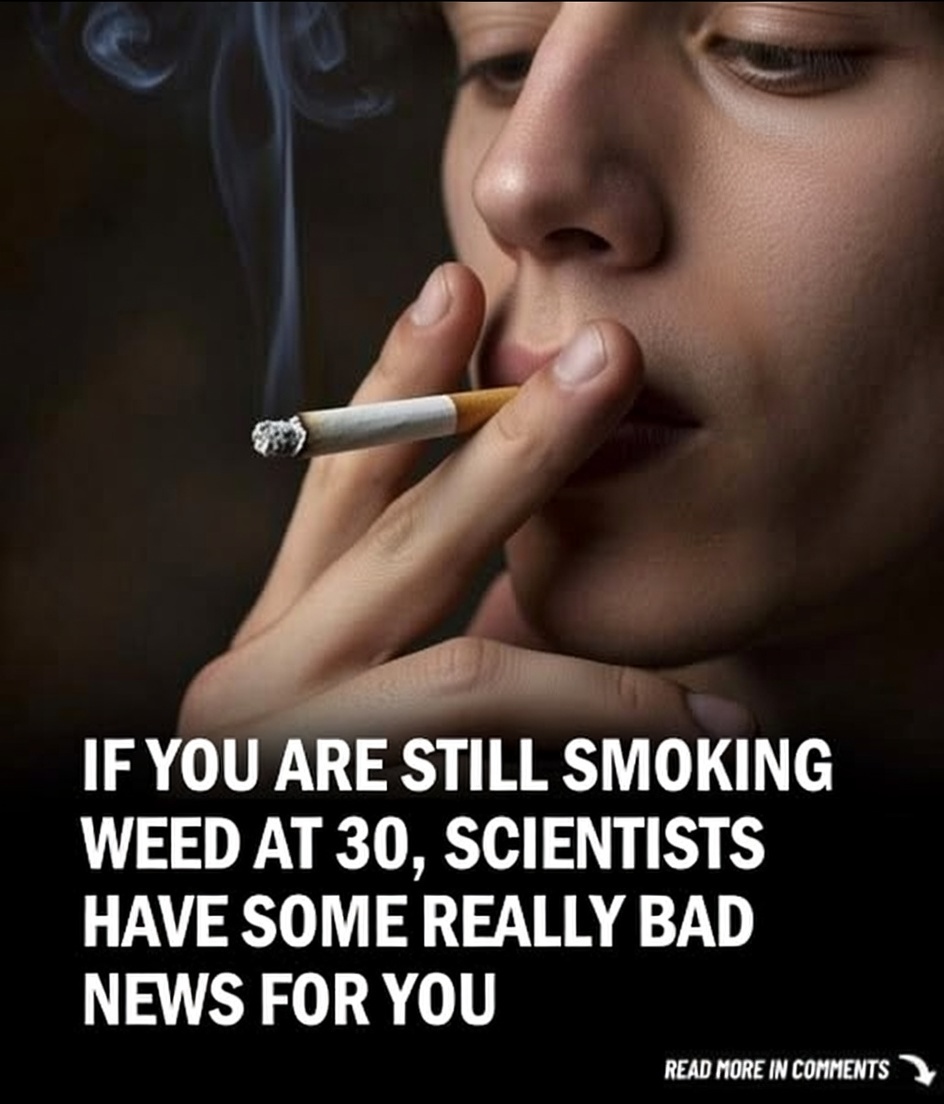
Mental Health Risks Increase With Age
Science has found links between long-term cannabis use and an increased risk of anxiety, depression, and in some individuals, psychosis—especially among those with a genetic predisposition. At 30, when life stressors such as career pressure and family responsibilities often peak, marijuana may worsen underlying mental health vulnerabilities rather than relieve them.

Motivation, Productivity, and Career Trajectory
Several longitudinal studies suggest that persistent cannabis use is associated with reduced motivation and lower occupational achievement. While this doesn’t happen to everyone, researchers note a pattern known as “amotivational effects,” where long-term users report decreased drive, goal-setting, and persistence—factors that are crucial during prime career-building years.
Physical Health: Lungs, Heart, and Metabolism
Smoking weed exposes the lungs to irritants similar to tobacco smoke, increasing the risk of chronic bronchitis and respiratory issues. Some studies also link cannabis use to elevated heart rate and blood pressure changes, which may be more concerning as cardiovascular risks naturally rise with age. Additionally, frequent use has been associated with sleep disturbances and metabolic changes.
Para conocer los tiempos de cocción completos, vaya a la página siguiente o abra el botón (>) y no olvide COMPARTIR con sus amigos de Facebook.


